

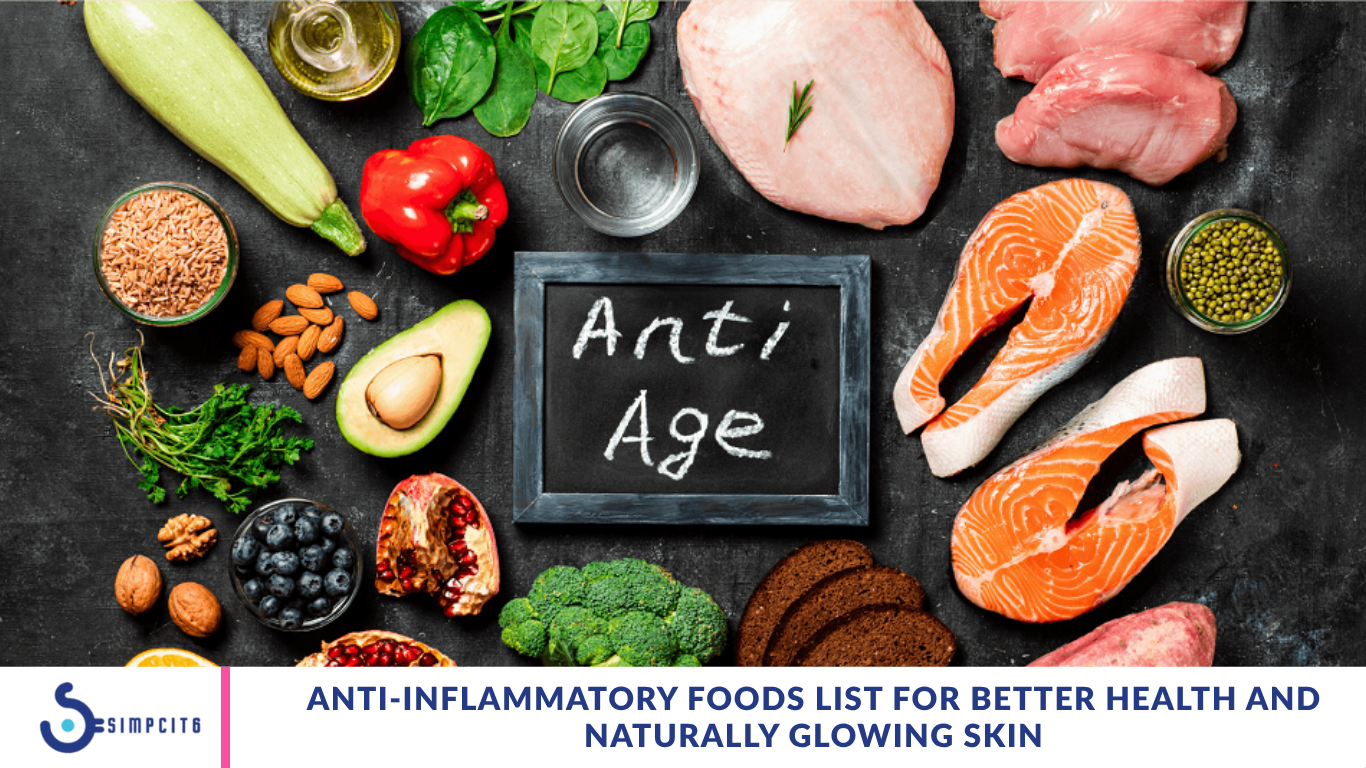
Let’s break down inflammation in a way that actually makes sense. It may sound like a clinical term, but in reality, it can quietly affect your everyday life. Feeling tired for no reason, dealing with stubborn weight gain, experiencing joint discomfort, or noticing dull, tired-looking skin — these are often linked to underlying inflammation.
Now here’s the real question: are your daily meals fueling inflammation or helping to reduce it naturally?
This is where anti-inflammatory foods make a powerful difference. These nutrient-rich foods act like your body’s natural defense system — helping to reduce internal inflammation, improve overall wellness, boost energy levels, and support healthy, glowing skin.
Understanding Inflammation
Acute vs. Chronic Inflammation
Inflammation isn’t always bad — it’s actually a vital part of your body’s defense system. Understanding the difference can help you protect your health.
Acute inflammation: Short-term and protective. Think of a small cut that turns red — your immune system is working hard to heal it. This type of inflammation is beneficial and usually resolves quickly.
Chronic inflammation: Long-term and harmful. This sneaky form persists quietly, increasing the risk of heart disease, diabetes, arthritis, and premature aging. Imagine a small campfire versus one that never goes out — one keeps you warm, the other slowly causes damage.
Signs Your Body May Be Experiencing Chronic Inflammation
Chronic inflammation often whispers rather than shouts. Watch for these subtle signals:
- Persistent fatigue
- Brain fog and difficulty concentrating
- Digestive discomfort or bloating
- Frequent headaches
- Joint stiffness or soreness
- Skin issues like acne, eczema, or dullness
If your body could text you, the message would be: “Hey… something’s not right.”
This version is SEO-friendly, with keywords such as chronic inflammation, acute inflammation, health risks, and skin issues, while maintaining a natural, easy-to-read tone.
Benefits of an Anti-Inflammatory Diet
Physical Health Benefits of Anti-Inflammatory Foods
Adding anti-inflammatory foods to your diet can have powerful effects on your overall health:
✔ Support heart health and improve circulation
✔ Balance blood sugar for steady energy
✔ Ease joint pain and reduce stiffness
✔ Enhance digestion and gut comfort
✔ Boost immunity naturally
Think of it as upgrading from regular fuel to premium — your body runs smoother, with fewer hiccups.
Skin & Beauty Benefits
The benefits go beyond internal health — your skin will thank you, too. An anti-inflammatory diet can help:
✨ Reduce acne, redness, and irritation
✨ Slow premature aging and fine lines
✨ Improve skin hydration and texture
✨ Boost a natural, radiant glow
Why it works: Inflammation accelerates collagen breakdown and oxidative stress, key factors behind wrinkles and tired-looking skin.
Healthy body, glowing skin — the ultimate win-win.
Best Anti-Inflammatory Foods
Fruits That Fight Inflammation
Berries – small but powerful:
- Blueberries
- Strawberries
- Raspberries
- Blackberries
Packed with antioxidants, especially anthocyanins, berries act like tiny shields protecting your cells from oxidative stress. Bonus: they’re delicious.
Citrus Fruits – rich in vitamin C:
- Oranges
- Lemons
- Grapefruits
Vitamin C supports collagen production and strengthens your immune system. Morning lemon water, anyone?
Vegetables That Calm the Body
Leafy Greens – nutrient-packed detoxifiers:
- Spinach
- Kale
- Swiss chard
Loaded with vitamins, minerals, and anti-inflammatory compounds, leafy greens act like a natural detox team for your bloodstream. futgg
Cruciferous Vegetables – inflammation-fighting heroes:
- Broccoli
- Cauliflower
- Brussels sprouts
It contains sulforaphane, a compound known to reduce inflammatory markers. Yes, broccoli is your adult hero now!
Healthy Fats – Your Skin’s Best Friend
Avocados are creamy and rich in monounsaturated fats that reduce inflammation and nourish skin. Bonus: supports hair health too.
Olive Oil – especially extra virgin: A staple in longevity diets, olive oil contains oleocanthal, a natural anti-inflammatory compound similar to ibuprofen. Food as medicine? Absolutely.
Anti-Inflammatory Proteins
Fatty Fish – rich in omega-3s:
- Salmon
- Sardines
- Mackerel
Omega-3 fatty acids actively reduce inflammatory responses. If inflammation is heat, think of omega-3s as cooling rain.
Plant-Based Proteins – fiber-rich and gentle on inflammation:
- Lentils
- Chickpeas
- Beans
Great for gut health and free from inflammatory saturated fats.
Nuts & Seeds – nutrient-dense snacks:
- Almonds
- Walnuts
- Chia seeds
- Flaxseeds
Loaded with healthy fats, fiber, and antioxidants, perfect for a snack upgrade.
Herbs & Spices – Tiny but Mighty
Turmeric – contains curcumin, a top anti-inflammatory compound. Tip: pair with black pepper for better absorption.
Ginger – supports digestion and reduces inflammatory pathways. Add to tea, smoothies, or stir-fries for versatility.
Whole Grains
Choose oats, quinoa, and brown rice. Avoid refined grains that spike blood sugar and trigger inflammation.
Beverages That Reduce Inflammation
- Green tea – rich in catechins
- Herbal teas – soothing and anti-inflammatory
- Water – underrated superstar; hydration = cellular happiness
Read also: Journaling for Mental Clarity – Beginner’s Step-by-Step Guide to Focus and Reduce Stress
Foods That Cause Inflammation
Let’s look at what to limit or avoid to keep inflammation in check.
Sugar & Refined Carbs
- Sugary drinks
- Pastries
- White bread
These trigger blood sugar spikes, causing insulin surges that promote inflammation — a true biochemical rollercoaster.
Processed Foods
- Packaged snacks
- Ready-to-eat meals
Often loaded with preservatives, additives, and unhealthy fats, these foods are convenient but can stress your cells.
Unhealthy Fats
- Trans fats
- Excess fried foods
Linked to higher inflammatory markers, these fats can undermine your heart, joints, and overall health.
Anti-Inflammatory Meal Ideas
Knowing what fights inflammation is great — eating it consistently is even better. Here’s a simple daily plan to keep your body calm and your skin glowing:
Breakfast
- 🥣 Oatmeal topped with berries and chia seeds
- 🥑 Avocado toast on whole-grain bread
- 🍵 Green tea for an antioxidant boost
Lunch
- 🥗 Mixed greens salad with olive oil dressing
- 🐟 Grilled salmon or chickpeas for protein
- 🍊 Citrus slices for vitamin C
Dinner
- 🥦 Stir-fried vegetables
- 🍚 Quinoa or brown rice
- 🧄 Turmeric & gTurmericasoning for added anti-inflammatory power
Snacks
- 🥜 Nuts for healthy fats and fiber
- 🍓 Fresh fruit for antioxidants
- 🍫 Dark chocolate (70%+ cocoa) — yes, chocolate made the list!
This plan is easy, flavorful, and fully anti-inflammatory, supporting overall health, joint comfort, and radiant skin.
Lifestyle Habits That Enhance Results
Food is powerful, but your daily habits determine how well your body stays calm and healthy.
Sleep & Stress Management
- Poor sleep and chronic stress increase inflammatory hormones.
- Simple practices like meditation, deep breathing, and quality rest act as invisible anti-inflammatory tools, keeping your body balanced.
Hydration
- Water helps flush toxins and supports metabolic processes.
- Focus on consistent hydration throughout the day, not just a big gulp at once.
Movement & Exercise
- Regular physical activity reduces inflammatory markers and improves circulation.
- Even brisk walking or short bouts of movement make a difference.
Combining anti-inflammatory foods with these healthy lifestyle habits maximizes your energy, wellness, and glowing skin.
Frequently Asked Questions
What are anti-inflammatory foods?
Anti-inflammatory foods are nutrient-rich items that reduce inflammation in the body, support overall health, and promote healthy, glowing skin. Examples include berries, leafy greens, fatty fish, nuts, and turmeric.
Do turmeric-inflammatory foods benefit the skin?
These foods combat oxidative stress and slow collagen breakdown, helping to reduce acne, redness, and premature aging, while boosting your skin’s natural glow.
Can eating anti-inflammatory foods improve joint health?
Yes! Foods rich in omega-3 fatty acids and antioxidants, like salmon, walnuts, and spinach, can help reduce joint stiffness and inflammation.
Are there fruits that fight inflammation?
Absolutely. Berries, citrus fruits, and cherries are loaded with vitamins and antioxidants that calm inflammation and protect your cells.
Which vegetables have anti-inflammatory properties?
Leafy greens (spinach, kale) and cruciferous vegetables (broccoli, Brussels sprouts) contain compounds that reduce inflammatory markers and support overall health.
What healthy fats should I eat to fight inflammation?
Focus on avocados, olive oil, nuts, and seeds. These fats are anti-inflammatory, heart-healthy, and nourish your skin and hair.
Are there drinks that help reduce inflammation?
Yes. Green tea, herbal teas, and plenty of water can help flush toxins, improve metabolism, and reduce inflammation naturally.
Conclusion
Incorporating anti-inflammatory foods into your daily diet is more than just a trend — it’s a powerful way to support your health, boost energy, and achieve naturally glowing skin. From berries and leafy greens to healthy fats, herbs, and whole grains, each choice works to calm inflammation, strengthen your body, and protect your skin from premature aging.
