

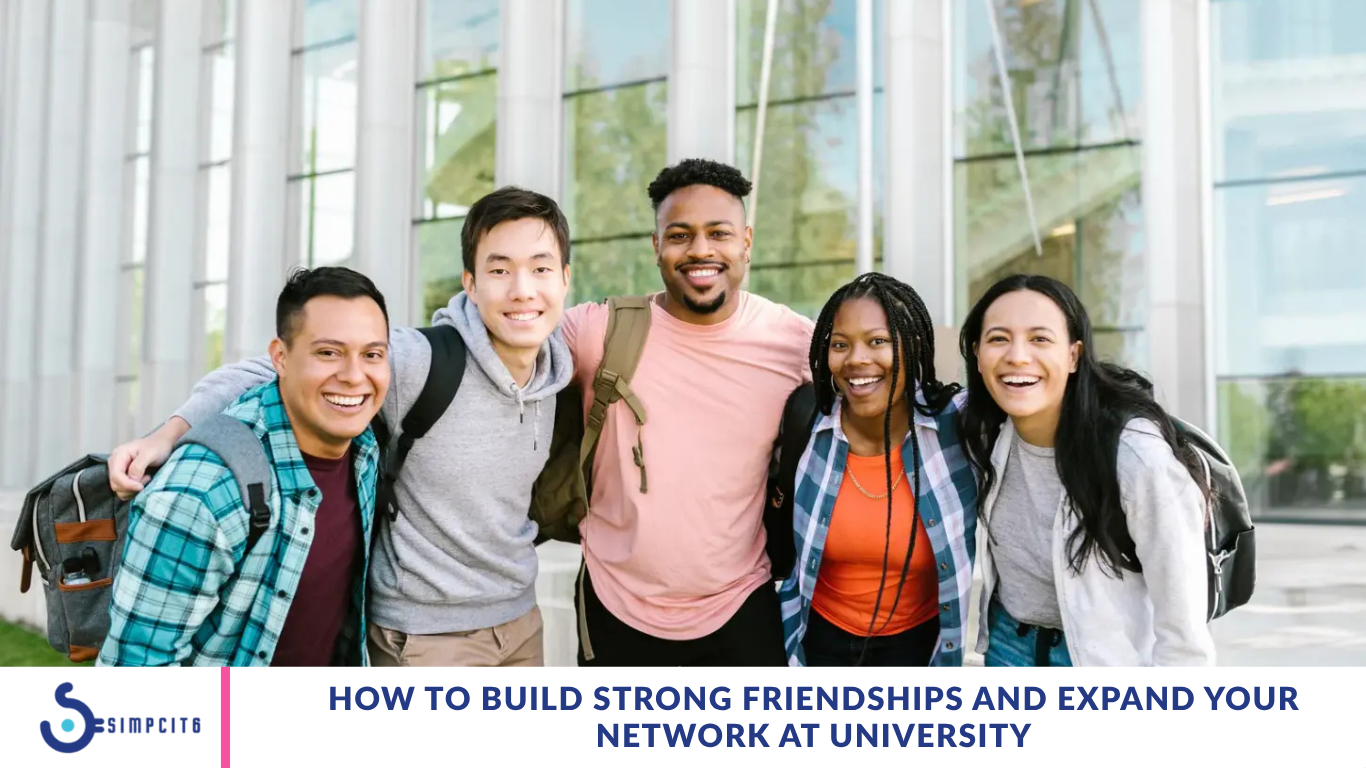
Starting university often feels like stepping into a completely unfamiliar world—new faces, new environments, and higher expectations all at once. It’s a mix of excitement and uncertainty that almost every student experiences.
Here’s the reality: university is one of the most powerful environments for building meaningful friendships and strong professional networks. The connections you create during this time can influence your academic journey, career opportunities, and personal growth. Many of the people you meet could become future colleagues, business partners, mentors, or lifelong friends.
So, how do you transition from feeling like a stranger to building a solid social and professional circle? Let’s break it down step by step.
Why Friendships and Networks Matter
Friendships enrich your university experience, while networks strengthen your future. Think of friendships as your emotional support system and networks as your professional foundation—both play a critical role in your growth.
University is more than just earning a degree. It’s about building meaningful connections that unlock opportunities you didn’t even know were possible.
The Fear of Starting From Scratch
Almost every student has the same quiet concern: “What if I don’t make friends?” The reassuring part? Nearly everyone around you is thinking the same thing—you’re not alone in feeling nervous.
In fact, starting from zero can be a real advantage. Everyone is open to new connections, and it’s one of the rare moments in life where the social playing field is completely reset.
Understanding the University Social Environment
Diverse Student Community
University campuses are true melting pots—bringing together people from different cultures, backgrounds, perspectives, and ambitions. It’s essentially a microcosm of the real world.
This diversity isn’t something to fear—it’s a powerful opportunity. Some of the most valuable lessons you’ll learn happen outside the classroom, through real conversations and shared experiences.
Opportunities Hiding in Plain Sight
Orientation sessions, campus events, group projects, and workshops aren’t just routine activities—they’re prime networking opportunities wrapped in engaging experiences.
Starting Conversations With Confidence
Overcoming Social Anxiety at University
Let’s be honest—approaching new people can feel uncomfortable. That inner voice might say, “What if they don’t like me?”
Here’s the truth: confidence isn’t the absence of nerves—it’s the decision to act despite them.
Simple Icebreakers That Actually Work
You don’t need a clever or perfect opening line. Keep it natural and easy:
- “Hey, what’s your major?”
- “How are you finding this class?”
- “Is this your first year too?”
Simple conversations are often the most effective.
Ask Open-Ended Questions
Skip questions that lead to one-word answers. Instead, ask things that spark real conversation. For example, “Why did you choose this course?” invites a deeper response compared to “Do you like this course?”
Develop Strong Active Listening Skills
People naturally connect with those who truly listen. Maintain eye contact, nod when appropriate, and respond with interest. Being a good listener often leaves a stronger impression than doing all the talking.
Making Friends in Your Classes
Sit with Intention
Choose a seat next to someone instead of isolating yourself in a corner. Proximity builds familiarity, and familiarity naturally leads to comfort and connection.
Create or Join Study Groups
Study groups are powerful for both learning and networking. Shared academic challenges often turn into strong friendships, and discussing them together deepens your understanding.
Joining Clubs and Student Organizations
Join Academic Clubs
Departmental clubs connect you with students who share similar career paths and ambitions. These relationships often evolve into valuable professional collaborations.
Explore Hobby and Interest-Based Groups
Whether it’s photography, sports, music, or debate, joining clubs aligned with your interests helps you connect faster. Shared passions naturally build stronger bonds.
Step Into Leadership Roles
Taking on leadership positions significantly expands your reach. Organizing events and leading initiatives increase visibility, build credibility, and help you connect with a wider network.
Living on Campus and Social Opportunities
Hostel and Dorm Life
Living on campus naturally increases daily interaction. Shared meals, late-night conversations, and casual hallway chats create organic opportunities to build friendships and connections without even trying too hard.
Attend Campus Events Regularly
Workshops, cultural nights, seminars, and competitions are more than just activities—they are powerful networking spaces. Even if you attend alone, you’re likely to leave having met new people and expanded your circle.
Networking With Professors
Visiting Office Hours
Professors are more than just lecturers—they are valuable academic and industry connections. Make it a habit to attend office hours, ask thoughtful questions, and show genuine curiosity beyond exam preparation.
Building Academic Mentorship
Developing strong relationships with faculty can open important doors, including research opportunities, recommendation letters, internships, and long-term career guidance.
Read also: Build a Strong Resume as a University Student – Proven Tips to Stand Out
Leveraging Social Media and LinkedIn
Build a Professional Online Presence
Create a clean and well-structured LinkedIn profile that reflects your academic interests and goals. Connect with classmates, seniors, and professors, and keep your profile updated with your achievements and activities.
Engage With Alumni Networks
University alums can be a powerful resource for guidance and opportunities. Reach out respectfully, focus on asking for advice rather than directly requesting jobs, and aim to build authentic, long-term professional relationships.
Attending Workshops, Seminars, and Career Fairs
Crafting an Elevator Pitch
Prepare a concise 30-second introduction that highlights who you are—your name, your field of study, your interests, and your goals. Keep it clear, structured, and confidently delivered.
Following Up After Events
If you meet someone interesting at an event, don’t let the connection fade. Send a short, polite follow-up message. Consistency is what turns a brief interaction into a lasting relationship.
Volunteering and Internships
Gaining Practical Experience Through Volunteering
Volunteering connects you with people who share similar values and goals. A shared sense of purpose naturally strengthens relationships and builds meaningful connections.
Expanding Your Professional Network Through Internships
Internships are a direct gateway to industry exposure and professional networking. Build strong relationships during your experience and make an effort to stay connected even after the internship ends, as these contacts can support your future career growth.
Building Deep Friendships, Not Just Contacts
Focus on Quality Over Quantity
Having hundreds of contacts means little if no real connection exists. Strong networking is built on meaningful conversations, not large numbers. Prioritize relationships where mutual understanding and value are present.
Build Consistency and Trust Over Time
Stay in regular contact with your network. Check in occasionally, celebrate their successes, and offer support during challenges. Trust is not instant—it develops gradually through consistent, genuine interactions.
Overcoming Common Social Challenges
Overcoming Fear of Rejection
Not every conversation will turn into a friendship, and that’s completely normal. Rejection is rarely personal—it’s simply part of the social process and growth.
Managing Awkward Situations
Awkward pauses and silent moments are inevitable in conversations. The key is not to overthink them. Laugh it off, shift the topic naturally, and keep the interaction moving forward. Social confidence improves with consistent practice and exposure.
Maintaining Relationships Over Time
Staying in Touch Consistently
Maintain your connections by reaching out occasionally. Share updates, opportunities, or meet for a quick coffee. Without consistent effort, even strong relationships naturally begin to fade.
Providing Value to Your Network
Effective networking is not about what you can take, but what you can contribute. Share useful resources, recommend others when appropriate, and actively support the goals of people in your circle.
Cultural Sensitivity and Inclusivity
Respecting Individual Differences
Approach every interaction with an open mind. Avoid assumptions and be mindful of cultural and personal boundaries. Respect is the foundation of any strong and lasting connection.
Learning From Diversity
Diversity broadens perspective and strengthens understanding. Every individual brings a unique background and experience. Listening to different stories helps you grow both personally and intellectually.
Long-Term Benefits of University Networking
Unlocking Career Opportunities Through Networking
A significant number of job opportunities come through referrals and personal connections. Your network can directly introduce you to internships, job openings, and potential business collaborations that are not always publicly advertised.
Building Lifelong Friendships
Some of the friendships formed at university evolve into lifelong bonds. These are the people who may share major life moments with you—weddings, business ventures, and travel experiences. Such relationships often extend far beyond campus and play a meaningful role in shaping your personal and professional life.
Frequently Asked Questions
How can I make friends quickly at university?
Start by joining conversations, attending orientation events, and sitting next to different people in class. Simple interactions often lead to stronger friendships over time.
What if I’m shy or introverted?
You don’t need to be extremely outgoing. Focus on small steps, such as saying hello, asking basic questions, and participating in group activities.
Are university friendships really important?
Yes. University friendships provide emotional support, improve your experience, and can also turn into long-term personal and professional relationships.
How do I start a conversation with new people?
Use simple openers, such as asking about their major, class, or university experience. Keep it natural and relaxed.
What is the best way to build a strong network?
Be consistent, attend events, join clubs, and maintain genuine relationships, rather than focusing solely on collecting contacts.
How can I overcome fear of rejection?
Understand that not every interaction will work out. Rejection is normal and helps you learn and improve your communication skills.
Do university clubs help in networking?
Yes. Clubs connect you with people who share similar interests or career goals, making it easier to form strong bonds.
Conclusion
Building strong friendships and expanding your network at university is not a one-time effort—it’s a continuous process of showing up, connecting with people, and staying genuine. University life offers a rare environment where friendships and professional networks can grow side by side, shaping both your personal happiness and future career opportunities.
