

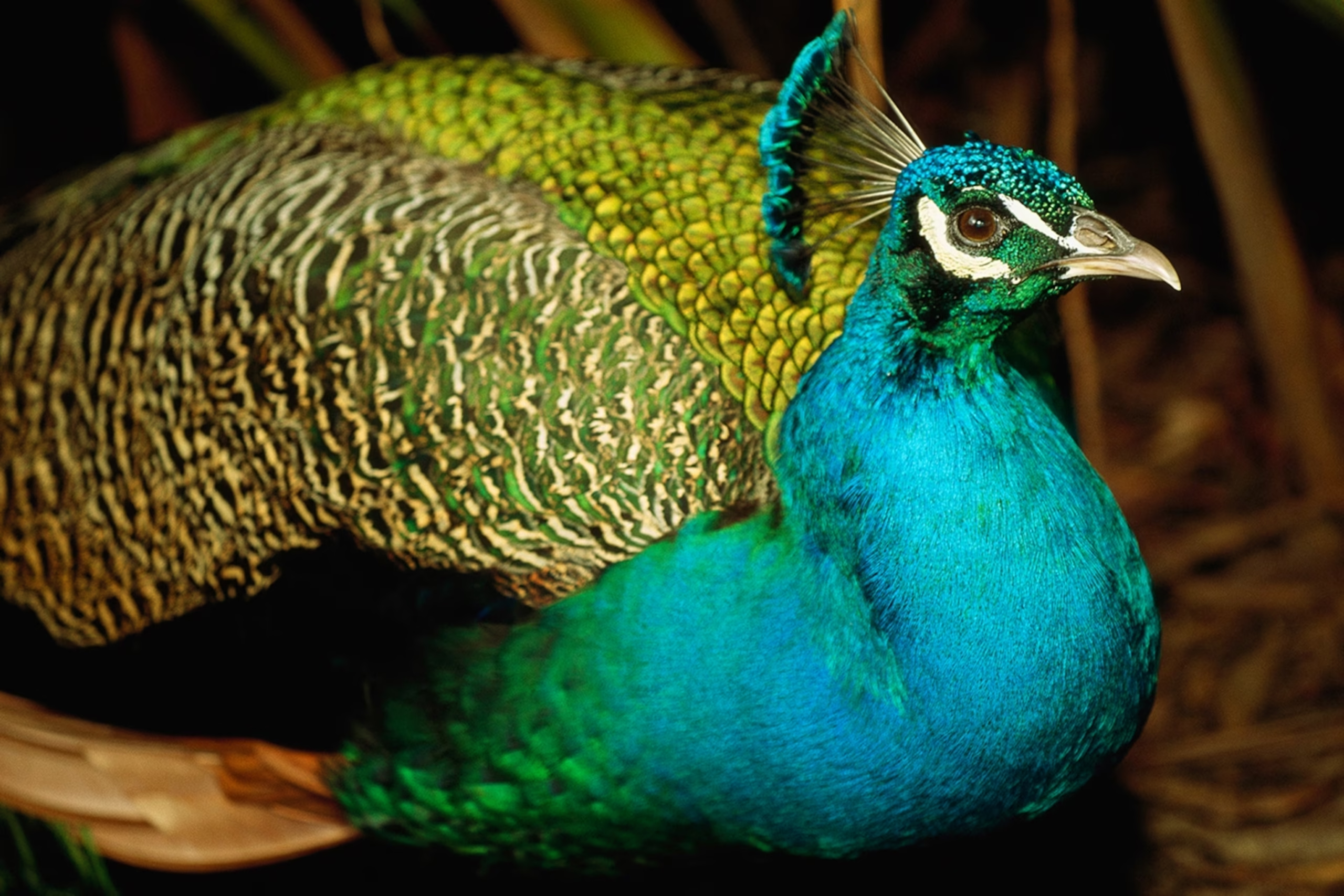
The peacock bird is one of the most beautiful birds in the world. Its bright feathers and large tail make it easy to recognize. Many people also love its loud calls and unique courtship display. Although the word “peacock” usually describes a male peafowl, the female is called a peahen. Together, they are known as peafowl.
Peafowl are native to parts of Asia and are now kept in many countries. They can live in forests, open areas, farms, and private collections. Their colorful appearance makes them popular with bird lovers and photographers. However, their beauty is only one part of their story. They also have interesting social habits, feeding patterns, and natural defenses. This guide explains the species in simple language. You will also learn about white peacocks, pictures, buying considerations, and basic care.
Peacock Bird Quick Biography Table
| Feature | Details |
| Common Name | Peacock |
| Female Name | Peahen |
| Group Name | Peafowl |
| Scientific Group | Pavo and Afropavo |
| Famous Species | Indian peafowl |
| Male Appearance | Large colorful train and crest |
| Female Appearance | Smaller body with shorter tail |
| Main Diet | Seeds, plants, insects, fruits |
| Habitat | Forests, grasslands, farms, gardens |
| Lifespan | Often around 10–20 years in suitable care |
| Famous Feature | Large decorative train |
| Main Display | Tail-feather courtship display |
| Sound | Loud calls and repeated cries |
| White Variety | White peafowl are a color variety |
| Conservation | Varies by species and location |
What Is a Peacock Bird?
A peacock bird is the male member of the peafowl family. The most familiar species is the Indian peafowl. Its scientific name is Pavo cristatus. Males have long upper-tail feathers called a train. These feathers create the famous fan-shaped display.
The train is not the same as the short tail underneath it. The male raises the train and shakes it during courtship. This movement creates a striking visual effect. The feathers also contain eye-like patterns called ocelli. Females often inspect these displays when choosing a mate.
Peafowl are ground birds, but they can fly. They often fly into trees when they need protection. They can also run quickly across open ground. Their strong legs help them move through different environments. Their diet is varied and includes plant foods and small animals.
Where Do Peacocks Naturally Live?
The Indian peafowl originally comes from South Asia. It is especially associated with India, Pakistan, Sri Lanka, and nearby regions. The species can adapt to several environments. It may live near woodland, farmland, villages, grasslands, and water sources.
A peacock bird usually prefers areas with food and safe places to rest. Dense vegetation can provide cover from predators. Tall trees can also become nighttime roosting locations. Peafowl often climb into trees before darkness.
They can adapt surprisingly well when suitable food and shelter are available. However, wild birds still face risks from predators, habitat changes, and human activity. Domestic or captive birds have different needs. Owners must provide enough space, protection, clean water, and appropriate food. Good care helps these impressive birds stay active and healthy.
Peacock Bird Appearance and Colors
The male is famous for its colorful body and long train. Its neck can show rich blue or green shades. The feathers may appear different under changing light. This happens because feather structure can reflect light in special ways.
The train contains many decorative patterns. These patterns can look like eyes when the feathers are spread. The male also has a small crest on its head. Its strong legs help support its large body.
Female peafowl usually have less dramatic coloring. Their feathers often contain brown, gray, cream, or greenish tones. This softer appearance can help them blend into vegetation while nesting.
There are also unusual color varieties. Some birds have white feathers, while others have different patterns. These variations are especially popular among private breeders and bird enthusiasts.
White Peacock Bird: Is It a Different Species?
The white peacock bird is not normally a separate species. Most white peafowl are associated with a genetic condition called leucism. This condition reduces pigment in the feathers. The result is a bird with mostly white plumage.
White peafowl can still have colored skin and eyes. This helps distinguish them from true albino animals. Albinism involves a much stronger lack of pigment throughout the body.
White peafowl are often admired because their feathers create a clean and elegant appearance. Their train can still display attractive patterns through feather structure and shadows. However, a white bird still needs the same basic care as other peafowl.
When viewing one, remember that color alone does not determine species. Responsible identification should consider body shape, behavior, genetics, and other features.
Peacock Bird Pictures: What Should You Notice?
Peacock bird pictures often focus on the male spreading his train. This is the classic image most people recognize. However, photographs can show much more than a beautiful tail.
Look closely at the bird’s head and crest. Notice the blue or green neck and the shape of the body. You can also see the difference between the train and the actual tail.
Pictures of females are useful for learning about sexual differences. Peahens usually have shorter tails and more muted colors. Young birds can look different again as their feathers develop.
White peafowl pictures can also help show how dramatic color variation can be. When comparing photographs, consider lighting. Bright sunlight can make feathers look more vivid. Camera settings can also change the appearance of colors. Good photographs should therefore be treated as visual references, not perfect color measurements.
Why Does a Peacock Spread Its Feathers?
The famous display is mainly connected with courtship. A male spreads his train and moves it while facing nearby females. The movement makes the feathers highly visible.
The display may also communicate information between birds. Researchers have studied how females respond to different parts of male displays. Feather quality, movement, and overall condition can all matter.
A peacock bird does not keep its train open all day. The display requires energy and attention. The bird usually raises its feathers during specific social situations.
The train can look heavy, but the bird can still fly short distances. When danger appears, peafowl can use their strong legs and wings to escape. They may also make loud calls to alert nearby birds. These behaviors show that the beautiful train is only one part of the bird’s survival strategy.
What Does a Peacock Bird Eat?
Peafowl are omnivorous birds with a flexible diet. They can eat seeds, grains, fruits, berries, leaves, flowers, and other plant material. They may also consume insects and other small animals.
Wild birds search for food on the ground. Their strong feet can help them move through soil and vegetation. They may spend many hours walking and searching for small food items.
Captive birds need a balanced diet. Commercial peafowl feed can form part of a suitable feeding plan. Fresh water should always be available. Treats should not replace a complete diet.
Owners should also consider age and local veterinary advice. Chicks have different nutritional needs than adults. Sudden diet changes can cause problems. Clean feeding areas can also reduce contamination and disease risks.
How Long Does a Peacock Live?
The lifespan of a peacock bird depends on genetics, habitat, nutrition, predators, and medical care. Birds living under good human care may live considerably longer than birds facing constant wild threats.
Wild peafowl encounter predators, injuries, parasites, food shortages, and environmental dangers. Young birds can be especially vulnerable. Access to safe shelter can greatly improve survival.
Captive birds can receive regular food, clean water, secure housing, and veterinary attention. However, captivity does not automatically guarantee a long life. Poor housing and incorrect diets can create serious problems.
Owners should focus on daily care rather than lifespan numbers alone. Good nutrition, hygiene, exercise, shelter, and observation are more useful than expecting a specific age. A healthy bird should remain active, alert, and interested in its surroundings.
Peacock Behavior and Communication
Peafowl use several forms of communication. Their loud calls can carry over long distances. These sounds may alert other birds or communicate during social situations.
Body language is also important. A male can raise his train and perform a dramatic display. Females and younger birds use different body positions and movements.
A peacock bird can become comfortable around people when raised with regular, gentle contact. However, it remains a strong and independent bird. Males may become territorial, especially during breeding periods.
Peafowl can also become noisy. This matters if someone plans to keep them near neighbors. Their calls can be much louder than expected. Anyone considering ownership should think about space, local rules, nearby homes, and long-term care before bringing birds home.
Can You Keep a Peacock as a Pet?
Peafowl can be kept by private owners in some places. However, they are not typical household pets. They need outdoor space and suitable shelter.
A peacock bird can grow large and may behave differently from common backyard poultry. Males can become territorial. They can also make loud calls and damage gardens while searching for food.
A secure enclosure can protect birds from predators and prevent them from wandering. Strong fencing is important because peafowl can fly and climb. Covered areas can provide additional protection.
Potential owners should also check local rules before buying birds. Requirements can differ by location. Veterinary access is another important consideration. Finding a professional who understands exotic or specialty birds can make ownership much easier.
Peacock Bird for Sale: What Buyers Should Know
People searching for a peacock bird for sale should focus on responsible sourcing rather than price alone. A healthy bird should look alert, active, and well cared for.
Ask the seller about the bird’s age, sex, health history, diet, and living conditions. If possible, inspect the bird before purchasing. Look for clean eyes, normal movement, healthy feathers, and good body condition.
Buyers should also understand transportation needs. A large bird needs safe ventilation and enough space during travel. Extreme temperatures can create additional risks.
Do not purchase a bird simply because its color looks unusual. White peafowl and other varieties may have different prices, but appearance does not prove quality.
Before purchasing, confirm that keeping peafowl is allowed where you live. Also prepare housing, food, water, and protection before the bird arrives.
Common Types of Peacock and Peafowl
The Indian peafowl is the most widely recognized type. It is famous for its bright blue male and spectacular train. The green peafowl is another important species. It has a different appearance and comes from Southeast Asia.
The Congo peafowl is less familiar to the public. It is native to Central Africa and looks very different from the classic blue peacock.
Within peafowl kept by people, many color varieties and patterns exist. These may include white and other selectively bred appearances.
It is useful to separate species from color varieties. A white peafowl is generally discussed as a color variation rather than automatically being a separate species. This distinction prevents common identification mistakes.
Male vs Female Peacock: Key Differences
The easiest difference is the tail train. Adult males have the long decorative train. Females do not develop the same spectacular train.
Males are usually more colorful. Their necks can show strong blue or green shades. Females generally have more muted brown, gray, and green tones.
The difference has a biological purpose. Male displays are connected with courtship. Female coloring can provide better camouflage while nesting and raising young.
Young peafowl can be harder to identify. Their feathers change as they mature. Sex identification may therefore become easier with age.
If you are buying birds, ask the seller for clear information about sex. This matters because adult males can be louder and more territorial than females.
Peacock Habitat and Housing Requirements
A suitable enclosure should provide enough room for walking and movement. Crowded conditions can increase stress and create hygiene problems.
Peafowl also need protection from weather. A dry shelter can provide shade, rain protection, and a safe resting place. Elevated roosting areas may also be useful because peafowl naturally sleep in trees.
Fencing should be secure and tall enough to discourage escape. The surrounding area should be checked for sharp objects and dangerous gaps.
Clean water should always be available. Feeding equipment should be cleaned regularly. Bedding and ground areas should also be managed carefully.
Good housing is not about making an enclosure attractive. It is about creating a safe, clean, and stimulating environment. Owners should also provide enough room for natural movement and social behavior.
Are Peacock Birds Dangerous?
Peafowl are generally not considered dangerous animals, but they can defend themselves. Adult males have strong legs and sharp spurs that can cause injuries.
Males may become more territorial during breeding season. They can chase people, pets, or other birds. Children should therefore be supervised around unfamiliar peafowl.
Their large train can also make them look more intimidating than they actually are. Most problems can be reduced through proper handling and adequate space.
Never corner a bird without a safe reason. Avoid teasing, chasing, or grabbing it unnecessarily. Calm handling is safer for both the bird and the person.
Understanding natural behavior is one of the best ways to prevent conflict. Beautiful birds still need to be treated as animals with instincts and boundaries.
Interesting Facts About the Peacock Bird
The peacock bird has several features that make it especially fascinating. Its famous train can contain many eye-like markings. These markings become visible when the male opens his feathers.
Peafowl can fly despite their large appearance. They often use short flights to reach trees or escape immediate danger.
Their calls can be surprisingly loud. This is one reason owners should think carefully about where they keep them.
Peafowl also spend significant time walking and searching for food. They are not simply decorative birds. Their daily behavior includes feeding, exploring, social interaction, resting, and avoiding danger.
Another interesting point is that the male’s train is actually made from elongated upper-tail coverts. This is why calling the display feathers simply a giant tail can be misleading.
How to Photograph a Peacock
The best peacock bird pictures often capture the bird during natural behavior. Try photographing from a safe distance instead of chasing the bird.
Early morning or late afternoon light can create attractive feather details. A longer camera lens can help you photograph the bird without disturbing it.
For a display photograph, watch the bird’s behavior. A male may suddenly raise his train and begin shaking it. Be ready before the display starts.
Avoid using flash close to the bird. Sudden bright light can disturb wildlife and captive animals. Patience is usually more valuable than expensive equipment.
Photographers should also respect private property and animal welfare. Never force a bird into a pose simply for a photograph.
Frequently Asked Questions About Peacock Birds
1. What is a male peacock called?
A male is called a peacock, while a female is called a peahen. Together, they are called peafowl. The term “peacock” is commonly used for the male because of his spectacular train. Adult males usually have brighter colors and much longer decorative feathers than females.
2. Is a white peacock a separate species?
Usually, no. A white peacock bird is generally a white color variety of peafowl. Leucism can reduce feather pigmentation and create an almost completely white appearance. The exact genetic background can vary between birds and breeding lines.
3. Can peacocks fly?
Yes, peafowl can fly. Their bodies are large, but their wings are strong. They usually fly short distances rather than traveling like migratory birds. They may use flight to reach trees, cross obstacles, or escape danger.
4. What does a peacock eat?
Peafowl eat a wide variety of foods. Their diet can include seeds, grains, fruits, plants, insects, and other small food items. Captive birds need a balanced diet designed for their nutritional needs. Clean drinking water should always be available.
5. Can you buy a peacock bird for sale?
In some locations, private people can legally purchase peafowl. Rules vary by location, so buyers should check local requirements first. Choose a responsible seller and inspect the bird’s health, housing, age, and background before purchasing.
6. Why do peacocks display their feathers?
Male peafowl mainly use their dramatic display during courtship. The raised train makes the male highly visible. Feather movement and patterns can provide information to nearby females. The display is one of the most recognizable behaviors associated with peafowl.
Final Thoughts on the Peacock Bird
The peacock bird is much more than a beautiful animal with colorful feathers. It has fascinating behavior, strong survival skills, and a complex social life. Its famous train helps create one of nature’s most memorable displays.
White peafowl add another interesting variation to this already diverse group. Meanwhile, photographs can help people appreciate differences between males, females, young birds, and color varieties.
Anyone considering ownership should look beyond appearance. Proper housing, food, clean water, safety, and responsible sourcing are essential. A peacock can be rewarding to observe, but it also requires commitment.
