

Have you ever stood in a bedding store and thought, “What is a duvet cover, exactly?” You are not alone. Lots of people mix it up with a comforter or a regular blanket. But once you understand what a duvet cover is, you will never shop for bedding the same way again. It is one of the smartest, easiest bedroom upgrades you can make.
Table of Contents
What Is a Duvet Cover, Really?
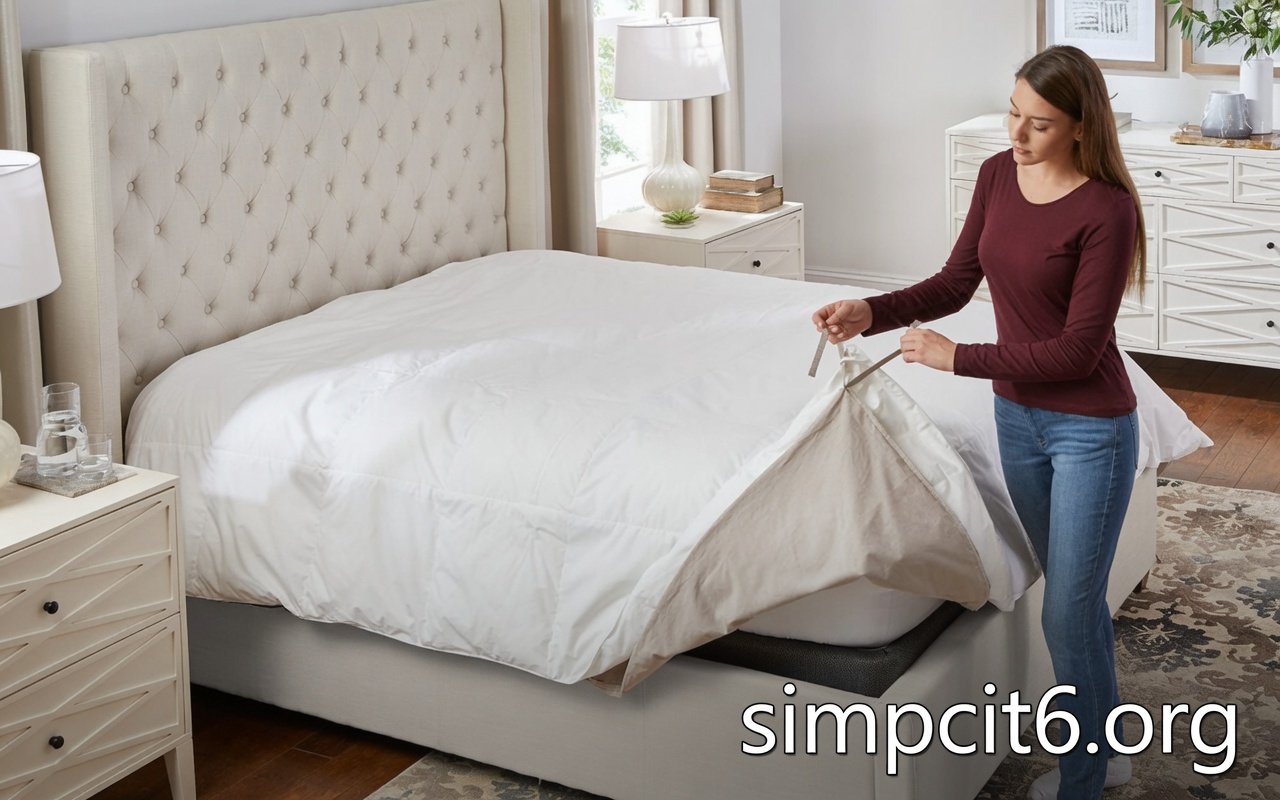
So, what is a duvet cover? Think of it as a giant pillowcase for your comforter or duvet insert. It is a fabric shell that slides over your duvet and closes with buttons, a zipper, or ties. It wraps around the fluffy filling inside and keeps it clean and protected. Instead of washing your whole heavy duvet, you just remove the cover and toss it in the wash. Simple, right?
A duvet cover serves two jobs at once. First, it protects your duvet insert from dirt, sweat, and spills. Second, it gives your bed a fresh, stylish look. You can swap out covers to match the season, your mood, or your bedroom décor without spending a lot of money. It is basically a wardrobe for your bed.
Duvet Cover vs. Comforter: What Is the Difference?
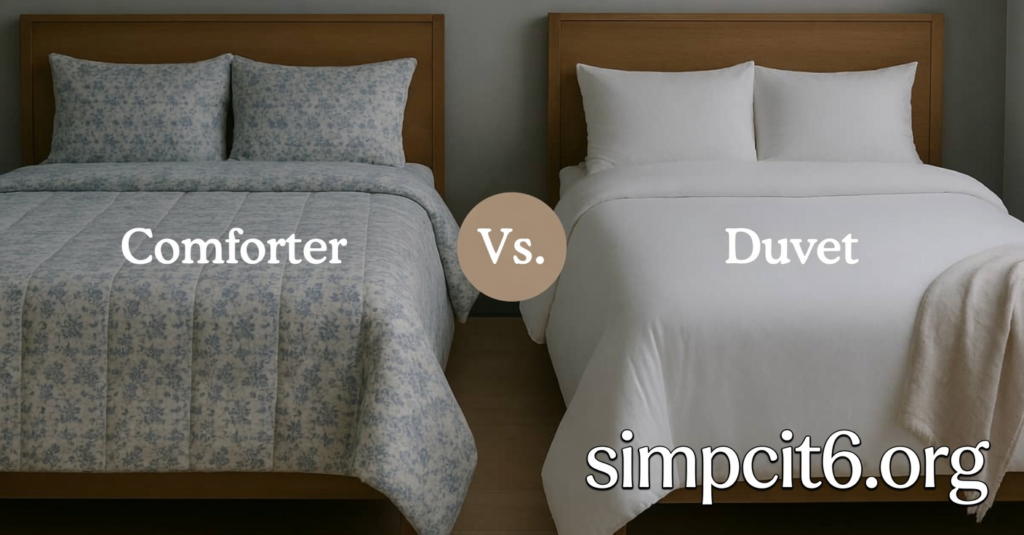
Many people confuse a duvet cover with a comforter. Here is the easy way to think about it. A comforter is all-in-one. It has the filling already sewn in. A duvet cover, however, is just the outer shell. You need to pair it with a separate duvet insert. The insert does the warming, and the cover does the protecting and decorating.
If you already own a duvet insert or comforter, a duvet cover is the perfect way to update your bed’s style without buying a whole new set. Many people prefer this system because it is far easier to clean and more flexible in terms of design choices.
Quick tip: A duvet cover without an insert is just a flat shell. Always pair it with a duvet insert or comforter that matches the cover’s size for the best look and feel.
How Does a Duvet Cover Work?
Using a duvet cover is easier than most people think. You simply slide your duvet insert inside the cover, much like putting a pillow into a pillowcase. Once the insert is inside, you fasten the closure — which could be buttons, snaps, ties, or a zipper. The cover hugs the insert snugly, and you are done.
Some people use a technique called the “burrito method” to put a duvet cover on quickly. You turn the cover inside out, lay it flat, place the insert on top, roll both together like a burrito, and then unroll. It sounds funny, but it actually works really well and saves time. Knowing what is a duvet cover and how to use one makes bedtime so much easier.
Complete Duvet Cover Detail Table
| Feature | Details |
|---|---|
| Definition | A removable fabric shell that covers and protects a duvet insert or comforter |
| Main Purpose | Protect the duvet, add style, and make washing easier |
| Common Materials | Cotton, linen, microfiber, silk, bamboo, flannel, percale, sateen |
| Closure Types | Buttons, zipper, ties, snaps, envelope fold |
| Standard Sizes | Twin, Full, Queen, King, California King |
| Thread Count Range | 200–800+ (higher = softer, but material matters more) |
| Washing Frequency | Every 2–4 weeks recommended |
| Best for Allergy Sufferers | Yes — washable covers reduce dust mites and allergens |
| Sold With Insert? | Usually sold separately; some sets include both |
| Average Lifespan | 3–5 years with proper care |
| Price Range | $20 (budget) to $300+ (luxury) |
| Popular Styles | Solid, striped, patterned, embroidered, textured |
Types of Duvet Cover Materials
Not all duvet covers are made the same. The material you choose makes a huge difference in how your bed feels. Cotton is the most popular choice. It is soft, breathable, and easy to wash. Percale cotton has a crisp, cool feel — perfect for hot sleepers. Sateen cotton is silkier and a little heavier, which many people love in winter.
Linen duvet covers feel relaxed and natural. They get softer over time and are great for hot climates because they breathe very well. Microfiber is budget-friendly and wrinkle-resistant, making it a practical everyday option. Bamboo covers are eco-friendly, incredibly soft, and naturally moisture-wicking. Flannel is warm and cozy — perfect for cold winter nights. Silk feels luxurious but needs more careful washing.
How to Choose the Right Size Duvet Cover
Choosing the correct size is one of the most important parts of understanding what is a duvet cover and how to use it well. If the cover is too small, it will not fit over your insert. If it is too large, the insert will bunch up inside and look messy. Always check the dimensions of your duvet insert before buying a cover.
As a general rule, a Queen duvet cover fits a Queen insert, and a King cover fits a King insert. However, some people prefer to go one size up for a fuller, draped look on the bed. European duvet sizes can also differ from American ones, so always double-check the measurements in inches or centimeters before purchasing.
Why People Love Using Duvet Covers
There are many reasons why duvet covers have become so popular in modern bedrooms. The biggest benefit is how easy they make laundry. Instead of struggling to wash a thick, heavy comforter, you just remove the lightweight cover and throw it in the machine. This saves time, water, and energy. Most people with allergies love duvet covers for exactly this reason.
Another great reason is style flexibility. You can own one duvet insert and five different covers. Want a beachy vibe in summer? Grab a light blue linen cover. Want something cozy for winter? Switch to a deep red flannel cover. Knowing what is a duvet cover and how versatile it can be makes bedroom decorating much more affordable and fun.
How to Care for a Duvet Cover
Taking care of your duvet cover is simple. Most covers can go straight in the washing machine on a gentle or normal cycle. Use warm water for cotton and cool water for delicate fabrics like silk or bamboo. Always read the care label first, as some materials have special instructions.
When drying, tumble dry on low heat or hang dry to prevent shrinking. Avoid using too much detergent, as it can leave residue in the fabric. Iron your cover on low heat if needed, or simply smooth it out while still slightly damp and let it air dry flat. Proper care extends the life of your duvet cover and keeps it looking fresh and clean for years.
Duvet Cover Styles and Bedroom Décor
One of the most exciting parts about what is a duvet cover is the design possibilities. Today, duvet covers come in hundreds of patterns, colors, and textures. Minimalist white covers give a hotel-like, clean feeling. Bold geometric patterns add personality and energy. Floral prints bring a soft, romantic touch. Textured covers like waffle-knit or tufted styles add depth and visual interest.
Choosing a duvet cover that matches your headboard, throw pillows, and curtains can completely transform a bedroom. Interior designers often say the bed is the focal point of any bedroom, and a beautiful duvet cover is the easiest way to make a big style statement without repainting walls or buying new furniture.
Duvet Covers for Different Seasons
Smart shoppers often buy multiple duvet covers for different seasons of the year. In summer, a light cotton or linen cover paired with a lightweight insert keeps you cool and comfortable. In winter, a flannel or heavy cotton cover paired with a warm down insert creates a snug, warm sleeping environment.
Some people even keep the same insert year-round but swap covers between seasons. This is one of the most practical aspects of understanding what is a duvet cover. It is an affordable way to adapt your bedding to the weather without completely replacing everything in your linen closet.
Common Mistakes to Avoid with Duvet Covers
The most common mistake people make is buying the wrong size. Always measure your insert before purchasing a cover. Another mistake is choosing looks over material. A beautiful cover that feels scratchy or traps heat will make your sleep uncomfortable, no matter how pretty it looks.
Not washing the duvet cover often enough is also a mistake. Covers collect sweat, skin cells, and dust mites over time. Washing every two to four weeks keeps things hygienic. Also, using too-hot water when washing cotton covers can cause shrinking. Always check the care tag to make sure you are washing at the right temperature for your specific duvet cover material.
Frequently Asked Questions
What is a duvet cover used for?
Do you need anything inside a duvet cover?
Is a duvet cover the same as a comforter?
How often should I wash my duvet cover?
What material is best for a duvet cover?
Can I use a duvet cover without a duvet?
Conclusion: Now You Know What a Duvet Cover Really Is
Understanding what is a duvet cover opens up a whole new world of comfortable, stylish, and practical bedding choices. It is not just a fancy word for a blanket. It is a smart system that protects your investment, makes cleaning easy, and lets you refresh your bedroom look as often as you like.
Whether you are buying your very first set or upgrading your current bedding, a quality duvet cover is always worth it. Choose the right material for your climate, the right size for your insert, and the right style for your personality. Your bedroom is your sanctuary — make it feel exactly the way you want it to. Ready to find your perfect duvet cover? Start exploring and turn your bed into your favorite place in the house.
