

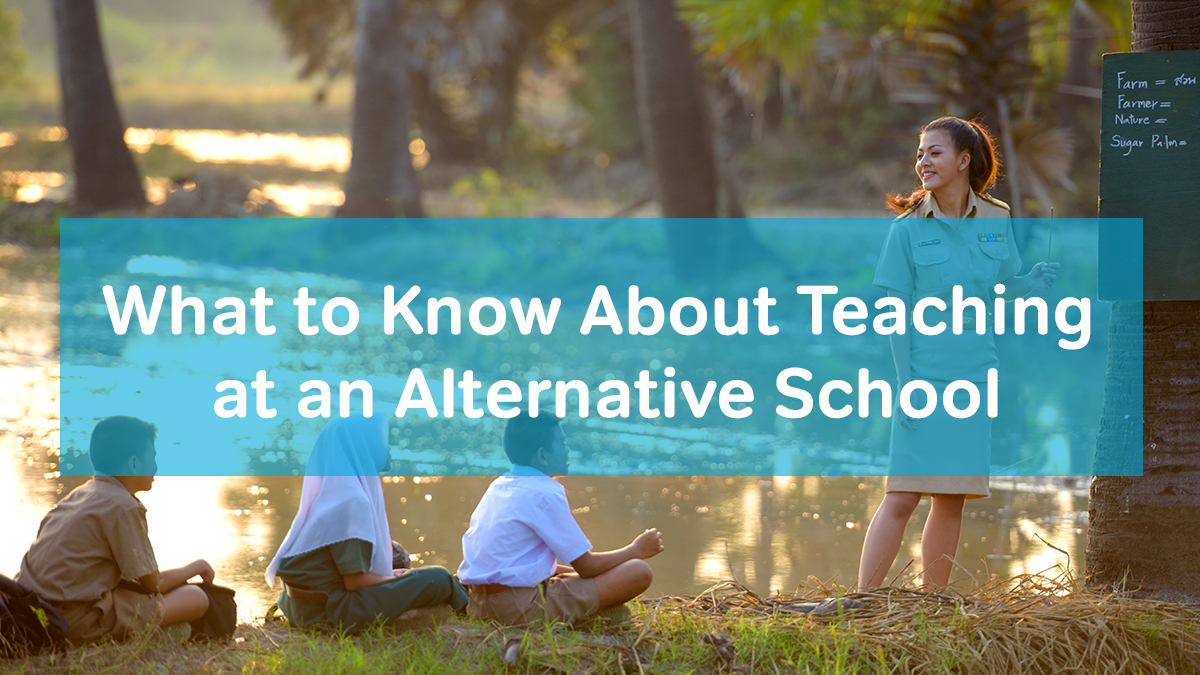
Every child learns in their own unique way. Traditional classrooms work great for some kids, but other students need a different environment to find success. If your child is struggling, you might find yourself asking, what is an alternative school? It is a question many parents ask when looking for new options. Education is never a one size fits all journey.
Finding the right educational setting can completely change a young person’s life. This guide will help you understand how these non traditional campuses work. We will look at what makes them special. You will learn how they help kids thrive and discover how to find great options near your home.
Table of Contents
What is an Alternative School?
So, what is alternative school? At its core, it is a place designed to help students who need a break from regular public schools. These places offer different teaching methods, smaller class sizes, and extra emotional support. They focus heavily on the individual needs of every single child who walks through the door.
Some people think these places are only for kids who get into trouble. That is a major myth. Many students go to an alternative school because they feel overwhelmed by large crowds. Others want to graduate early or need a flexible schedule due to work or family needs. It is simply about giving children a safe space to learn at their own pace.
The True Alternative School Meaning Explained
To fully understand the alternative school meaning, we have to look past regular test scores. These institutions focus on the whole child, not just grades. They combine regular math and reading with real life skills and counseling. This approach builds up a student’s confidence while fixing gaps in their academic knowledge.
In a traditional setting, a student who falls behind might feel ignored or lost. An alternative school changes that completely. Teachers have more time to spend with each student every day. This creates a tight community where kids feel seen, heard, and supported throughout their educational journey.
Answering the Big Question: What is a Alternative School?
When parents first search for options, they often type what is a alternative school into their computers. They want to know how the daily routine differs from a normal school. The biggest difference is flexibility. The daily schedule can look very different from a standard high school layout.
Students might spend half the day working on computers and the other half doing hands on projects. Some campuses offer night classes or online modules. This helps kids who have jobs or need to care for family members during daytime hours. The main goal is always to help students earn their high school diploma.
What’s an Alternative School Design Look Like?
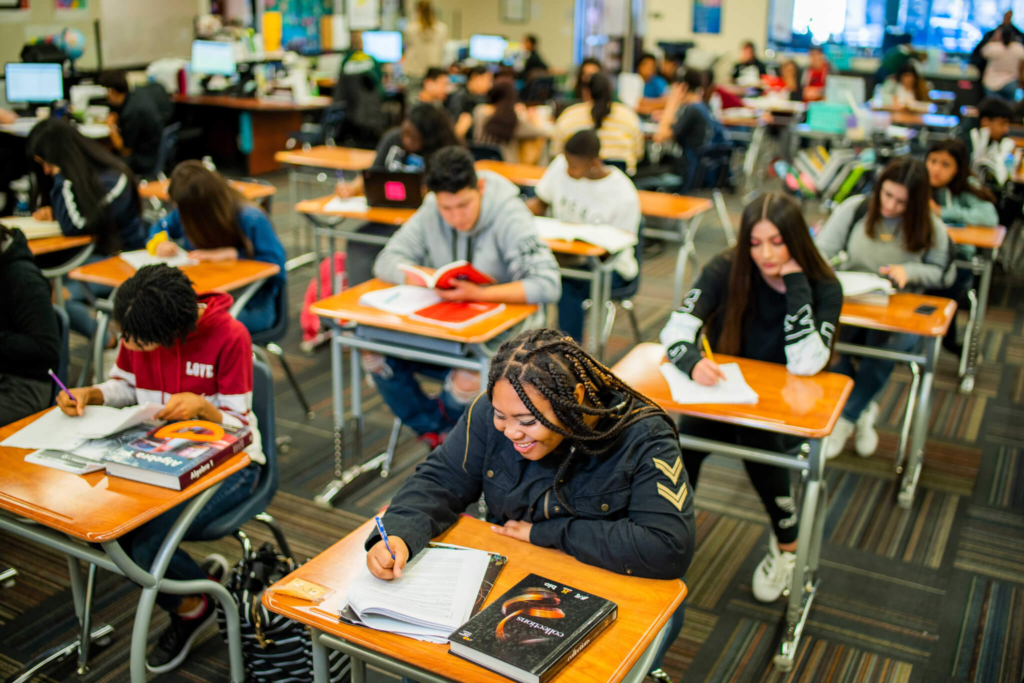
If you wonder what’s an alternative school like on the inside, think about a community center. The classrooms are often small and cozy instead of large and loud. You will not find massive lecture halls or giant crowds in the hallways here. The smaller space helps reduce stress and anxiety for everyone.
These schools often use project based learning to keep kids engaged. Instead of just reading a textbook, students might build a garden or film a short movie. This style makes lessons feel real and exciting. It helps students see how their schoolwork connects directly to the real world around them.
Profiles of Success: School Comparison Details
| Feature | Regular Public School | Alternative School Setting |
| Average Class Size | 25 to 30 students | 10 to 15 students |
| Learning Pace | Fixed schedule for the whole class | Flexible and tailored to each student |
| Support Staff | Limited counselors per building | Heavy focus on social workers and mentors |
| Teaching Style | Traditional lectures and standard tests | Hands on projects and portfolio reviews |
| Main Goal | Standardized curriculum completion | Individual growth and graduation success |
How to Find an Alternative School Near Me
If you feel this setting fits your child, your next thought is likely finding an alternative school near me. The search process usually starts at your local public school district office. Counselors can provide a complete list of specialized programs running in your neighborhood or town.
You can also search online state education databases for charter and magnet programs. Many of these options are completely free to attend. Take the time to visit the campuses in person before making your final choice. Watching how teachers talk to students will tell you a lot about the culture.
Spotlighting Options: Alternative School Chicago Programs
Large city districts offer many great examples of these programs. For instance, looking at alternative school chicago options shows how cities build paths for youth. Chicago public schools run specialized campuses called Options Schools. These programs serve students who dropped out or fell far behind on graduation credits.
These Chicago campuses partner with local businesses to offer great job training. Students can learn valuable trades like culinary arts, web design, or automotive repair while finishing school. This mix of work skills and academics keeps students motivated to finish their high school degrees.
Exploring Regional Models: Dekalb Alternative School
Moving outside the giant cities, counties also run wonderful programs. The dekalb alternative school model shows how suburban and rural areas support their kids. This program focuses heavily on fixing student behavior while keeping academics on track. It gives students a quiet place to reset their habits.
Staff members at Dekalb work closely with families to build strong behavior plans. Students learn how to manage stress, resolve conflicts peacefully, and set goals. Once a student shows progress, they can transition back to their original neighborhood school with a fresh start.
The Creative Methods Used in Alternative Education
Alternative schools thrive because they throw away boring teaching methods. Teachers use art, music, and outdoor adventures to teach tough concepts. A history lesson might turn into a live theater play. A biology lesson might happen next to a local river or park.
This creative freedom keeps students from checking out mentally. When kids get to move around and create things, they retain information much better. It turns school from a place of fear into a place of active discovery and personal pride.
Choosing the Best Path for Your Child’s Future
An alternative school is not a punishment. It is an amazing opportunity for growth. If your child feels miserable in a traditional building, a change of scenery can spark joy again. It can turn a struggling student into a confident leader.
Talk openly with your child about their learning preferences. Look at local programs together and read reviews from other families. The right school will make your child feel safe, capable, and excited about their bright future ahead.
Frequently Asked Questions
Do alternative schools give out real high school diplomas?
Yes, these schools give out real high school diplomas that colleges accept. The credits you earn count just like credits from a traditional high school.
Is attending an alternative school free for local students?
Public alternative schools are completely free for students living in the school district. Private options do exist, and those require paying regular yearly tuition.
Can a student return to their regular school later?
Yes, many students use these programs to catch up on credits. Once they are back on track, they can transfer back to their regular school.
Who can enroll in an alternative school program?
Students who need extra academic help, flexible schedules, or smaller environments can enroll. A school counselor usually helps start the referral process.
Do colleges look down on alternative school graduates?
Colleges care about your grades, essay, and graduation status. They value students who overcome obstacles and work hard to finish their high school education.
How small are the classes in these special programs?
Class sizes vary, but most have around 10 to 15 students per teacher. This small size ensures every child gets daily help and personal attention.
