

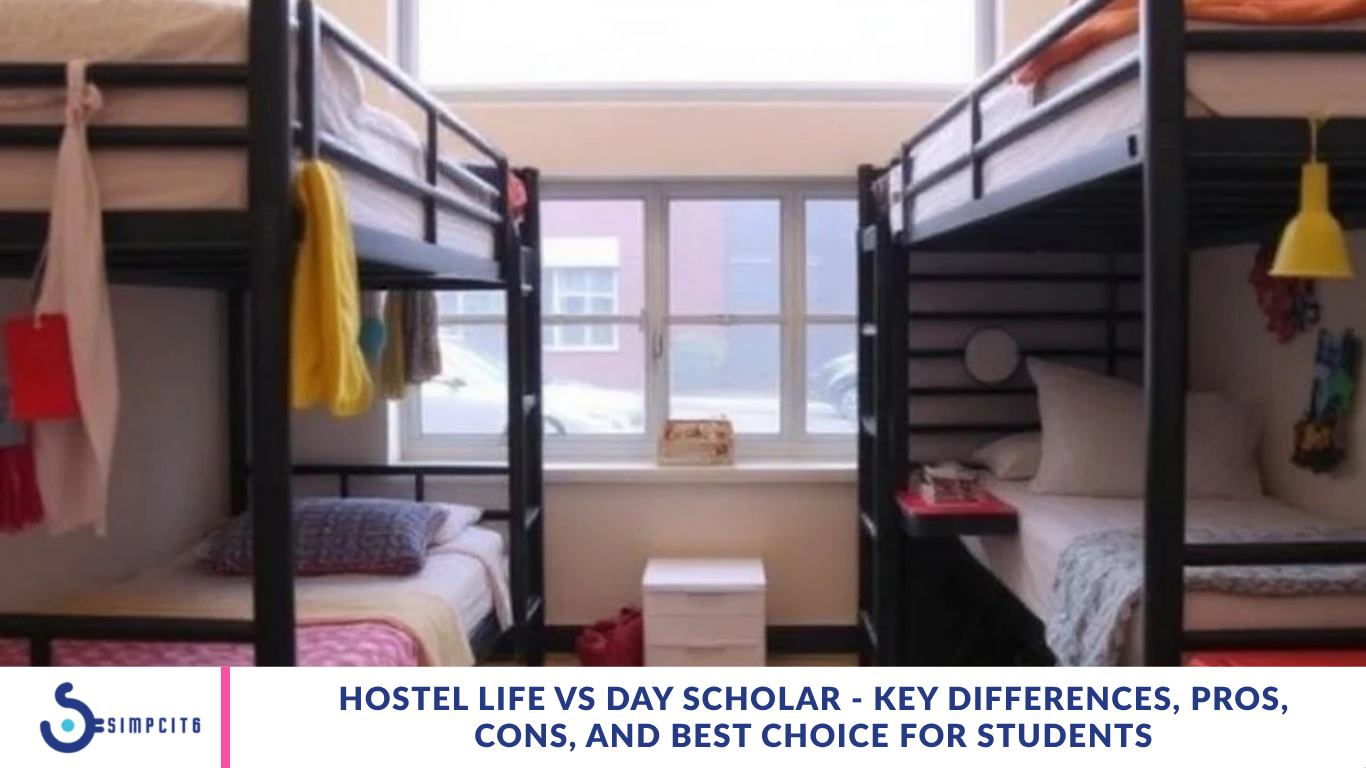
Choosing between hostel life and being a day scholar often feels like standing at a crucial decision point. One path offers independence, social exposure, and real-world experience, while the other provides comfort, stability, and family support. So, which option is truly better for students?
The honest answer? It depends on your lifestyle, goals, and personal preferences. Let’s break down the key differences between hostel life and day-scholar life so you can make a confident, well-informed decision.
The Big Debate Among Students
Every student has come across this classic debate: hostel life vs. day-scholar life. Hostel students often argue, “You haven’t experienced real college life until you stay in a hostel.” At the same time, day scholars counter, “Why deal with unnecessary struggles when you can enjoy comfort at home?” Both perspectives present strong, valid arguments, making the choice even more challenging.
Why This Choice Matters
This decision shapes far more than just your living arrangement—it directly impacts your daily routine, expenses, social life, and personal growth. It’s not simply about where you sleep; it’s about the lifestyle you choose and the experiences you gain as a student.
What Is Hostel Life?
Hostel life refers to living on or near campus in shared accommodation provided by your college or university.
Daily Routine in Hostel Life
Your day typically begins surrounded by fellow students. You attend classes together, share meals, and often study in groups. There’s a unique rhythm to hostel life—late-night conversations, group study sessions, and a strong sense of community.
However, it also comes with challenges like noise, limited personal space, and occasional disruptions.
Shared Living and Community Culture
Living in a hostel feels like being part of a small, diverse society. You constantly interact with people from different backgrounds, habits, and personalities. This environment helps you develop adaptability, tolerance, and social skills—lessons that no classroom can fully teach.
What Is a Day Scholar?
A day scholar is a student who lives at home and commutes to campus for classes.
Living at Home While Studying
As a day scholar, you usually enjoy the comfort of your own space, home-cooked meals, and the support of family. This setup provides a strong sense of emotional security and stability, which can be a big advantage during academic life.
Commuting to Campus
However, daily travel is part of the routine. Dealing with traffic, public transport delays, and early mornings can be challenging. That commute time can either be used productively—or it can leave you feeling tired before the day even begins.
Read also: Boost Academic Performance at University – Proven Strategies for Higher Grades
Freedom and Independence
Freedom in Hostel Life
Hostel life gives you a high level of independence. You choose when to study, sleep, or socialize—it’s your own space to manage.
This freedom can help you develop discipline, decision-making skills, and independence. However, without proper self-control, it can also lead to distractions and poor time management.
Comfort and Supervision at Home
Living at home offers a more structured environment. Parents or family members often guide your routine, encouraging you to stay on track with studies and maintain healthy habits.
While this support can be especially valuable in the early years, too much supervision may sometimes feel restrictive, limiting your sense of independence.
Academic Performance Comparison
Study Environment in Hostels
Hostel life can create a highly engaging academic atmosphere. You’re surrounded by classmates, making it easier to collaborate on assignments and participate in group study sessions that help clarify concepts faster.
At the same time, distractions are hard to avoid—late-night chats, celebrations, and social activities can easily break your focus.
Study Environment at Home
At home, the environment is usually calmer and more controlled. With a dedicated study space, you can improve your concentration and experience fewer unexpected interruptions from peers.
Distractions vs Discipline
In hostels, social distractions are more common, while at home, comfort-based distractions like TV or family gatherings can take over. In both cases, the deciding factor isn’t the place—it’s your self-discipline and time management skills.
Social Life and Friendships
Social Exposure in Hostels
Hostel life naturally increases social interaction. You live alongside students from different cities, cultures, and backgrounds, which helps you build connections quickly. Because of the shared environment, friendships often develop faster and more deeply.
In many cases, these bonds can last a lifetime.
Limited Social Time for Day Scholars
Day scholars usually leave campus after classes, which can mean missing out on spontaneous plans, late-night discussions, and informal hangouts. However, this doesn’t prevent strong friendships—building connections requires more intentional effort and active participation in campus life.
Financial Considerations
Hostel Expenses
Hostel life typically includes costs for accommodation, meals, electricity, and other basic utilities. Depending on the institution, these expenses can be quite high, and personal spending on extras can further increase the overall budget.
Cost of Being a Day Scholar
Day scholars usually avoid accommodation and hostel food charges, which significantly reduces overall expenses. However, commuting costs—such as public transport fares, fuel, or travel passes—can still add up over time.
Financial Comparison
In most cases, living at home as a day scholar is more cost-effective, but the final expense depends on distance, transport options, and lifestyle choices.
Personal Growth and Life Skills
Skills Learned in Hostel Life
Hostel life builds strong independence and self-management skills. Students learn to handle daily responsibilities such as laundry, budgeting, time management, and resolving conflicts on their own. This environment encourages rapid personal growth because you are constantly required to adapt and make decisions independently.
In many ways, it feels like being placed in real-world situations early—but you quickly learn how to handle them.
Responsibilities as a Day Scholar
Day scholars may not face the same level of self-reliance challenges, but they still develop important life skills. Managing academic work alongside family responsibilities helps build discipline, balance, and time management.
Growth in Both Environments
Both hostel life and day scholar life contribute to personal development. The difference lies in experiences—each path shapes growth in its own unique way.
Health and Lifestyle
Food and Routine in Hostels
Hostel life often comes with fixed meal plans, and the food quality can vary—some days it’s enjoyable, other days less so. Over time, students may also develop irregular sleep patterns due to late-night activities and busy schedules.
Comfort of Home-Cooked Meals
At home, meals are generally more nutritious, fresh, and personalized according to preference. The familiarity of home-cooked food and a stable daily routine adds a strong sense of comfort and consistency.
Health Perspective
From a health standpoint, living at home often offers advantages, such as better dietary control and a more structured lifestyle.
Time Management Differences
Managing Time in Hostels
Hostel life eliminates daily commuting, allowing students to attend early-morning lectures without the stress of travel or traffic delays. This often creates more flexible and efficient use of time.
Travel Time for Day Scholars
Day scholars spend a portion of their day commuting to and from campus. While this can be tiring, some students make productive use of this time by reading, revising notes, or listening to educational content.
Time Perspective
Ultimately, whether commuting time feels like a loss or an opportunity depends on how effectively it is utilized.
Emotional Well-being
Homesickness in Hostel Life
Being away from family in hostel life can be emotionally challenging. You may miss important moments like festivals, birthdays, and family gatherings.
Homesickness is a very real experience for many students. However, with time, most students adjust and begin to see the hostel as a second home where new relationships and routines provide comfort.
Family Support for Day Scholars
Day scholars benefit from immediate emotional support at home. After a stressful or difficult day, they return to a familiar and comforting environment. This close family presence can significantly reduce stress and provide emotional stability during academic life.
Safety and Security
Campus Security in Hostels
Most educational institutions provide dedicated security arrangements for hostel residents, ensuring a controlled and monitored environment. Being close to campus facilities also means help is readily available in case of emergencies, which adds an extra layer of safety.
Safety While Commuting
For day scholars, safety often depends on daily travel conditions. Late classes, long routes, or crowded transport can sometimes create challenges that need careful planning and awareness.
Overall Safety Perspective
Ultimately, safety is not absolute in either option—it varies based on location, infrastructure, and individual circumstances.
Common Myths About Hostel and Day Scholar Life
Is Hostel Life Always Fun?
Hostel life is often seen as exciting and enjoyable, but it is not a nonstop experience of fun. Along with social activities, students also deal with academic pressure, exams, and daily responsibilities, just like anywhere else.
Do Day Scholars Miss Out on Everything?
Not necessarily. Day scholars can still take part in campus events, extracurricular activities, and social gatherings. The difference is that they may need to plan their time more effectively to stay involved.
Pros and Cons Summary
Advantages and Disadvantages of Hostel Life
Pros:
- Independence and self-reliance
- Strong social connections and friendships
- Easy access to campus facilities
Cons:
- Higher overall expenses
- Limited personal privacy
- Potential distractions from studies and social activities
Advantages and Disadvantages of Being a Day Scholar
Pros:
- Lower financial burden
- Strong family support system
- Better comfort and home-cooked meals
Cons:
- Daily travel and commuting fatigue
- Less time spent on campus activities
- Reduced spontaneous social interaction
How to Decide What’s Best for You
Personality Factors
Your personality plays a key role in this decision. If you are independent, adaptable, and comfortable in new environments, hostel life may suit you well. However, if you prefer stability, routine, and close family support, being a day scholar may feel more comfortable and balanced.
Financial and Family Considerations
Practical factors are equally important. Your budget, family expectations, and distance from campus can significantly influence the right choice. Instead of making an emotional decision, it’s better to evaluate these aspects logically and choose what fits your situation best.
Frequently Asked Questions
What is the main difference between hostel life and day scholar life?
Hostel students live on or near campus, while day scholars live at home and commute daily for classes.
Which is better: hostel life or being a day scholar?
Neither is universally better. It depends on your personality, budget, distance from campus, and personal preferences.
Does hostel life help in personal growth?
Yes, hostel life promotes independence, responsibility, and social skills due to shared living and self-management.
Is being a day scholar more comfortable?
Generally, yes. Day scholars enjoy the comfort of home, family support, and home-cooked meals, which add emotional stability.
Are hostel expenses higher than day scholar costs?
Usually, yes. Hostel life includes accommodation, food, and utilities, while day scholars mainly spend on commuting.
Do day scholars miss out on campus life?
Not necessarily. They can still join events and activities, but may need better planning to stay involved.
Is hostel food healthy and reliable?
It varies. Some hostels provide good meals, while others may be repetitive or less nutritious compared to home food.
Conclusion
Choosing between hostel life and being a day scholar is not about finding a universally better option—it’s about finding the right fit for you. Hostel life offers independence, social exposure, and campus convenience, while day scholar life provides comfort, family support, and financial savings.
